

On leaving
What happens when you have to sell a house you’ve never lived in that’s in a place you’ve come to love

Hi there!
This was mostly written on 30th April. Sometimes I need a little distance from my thoughts and words before hitting send.
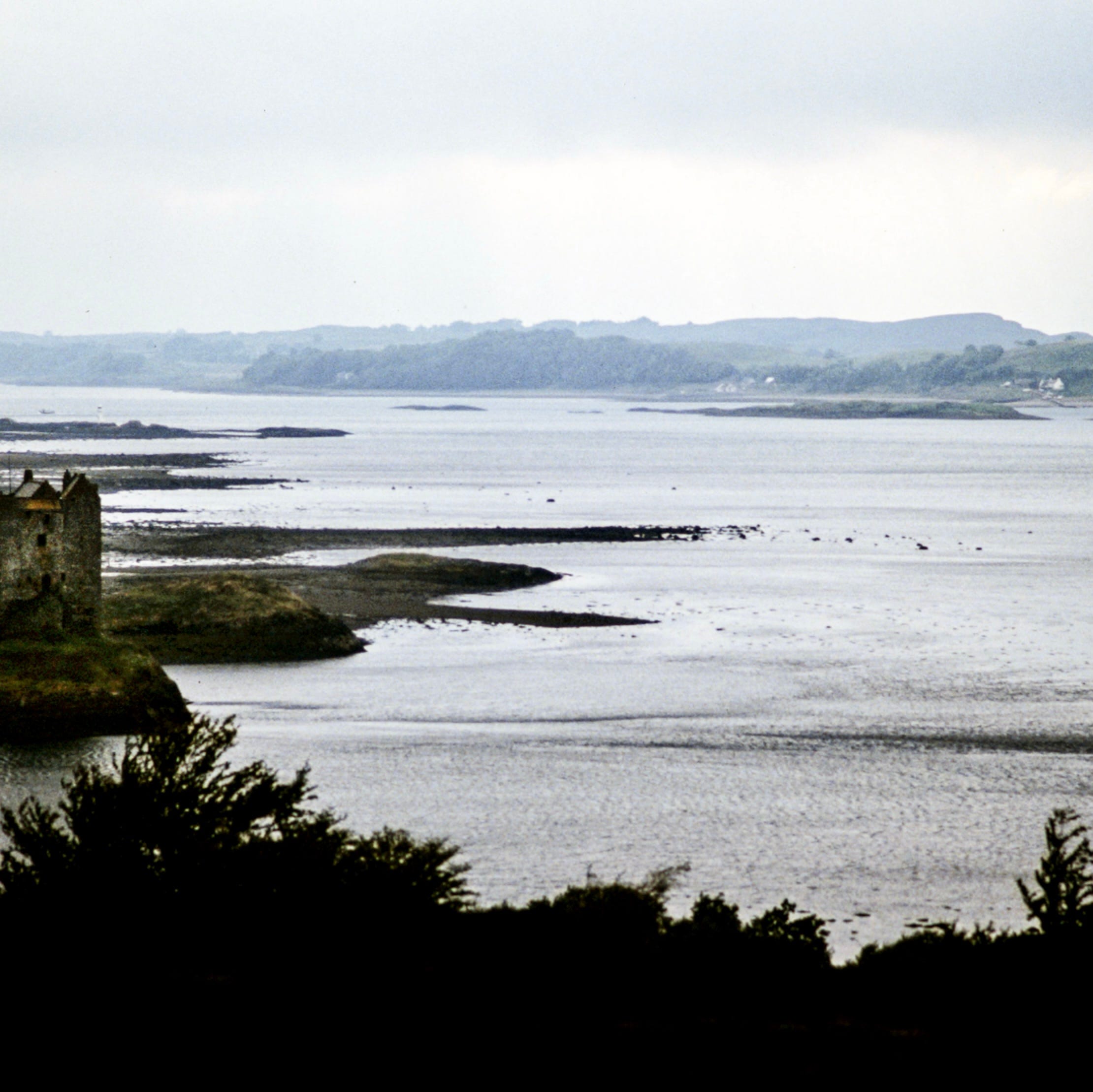
People came yesterday. Estate agents. Measured up and took photographs of this coastal house that will soon be up for sale. Tea in hand I sit outside under a brilliant sky while they do their job, taking in the chattering blackbirds, sparrows, linnets and tits. There’s much mating and nesting, singing and squabbling in the gorse, holly and hydrangea of this now wilding garden. I don’t want to be in there while their cameras dissect and describe. It moves the clock from inevitable towards reality. If only I could stay longer I muse, lulled half asleep by the cosseting warmth of the high sun, I could sweep up the fallen camellia petals that litter the path. I could clean the pond and restock the water plants …the gannets and herring gulls having long since stripped it of Koi. It was an act of faith to install them in the first place, being directly on the seabirds’ flight path between woods and water. It was an act of faith to build this house in the first place, cut, as it is, into a steeply terraced slope, almost the last house on the edge of a hamlet, which is itself the last place on the tip of a southernmost promontory remote from anywhere.
But I understand why: the pull of the water.
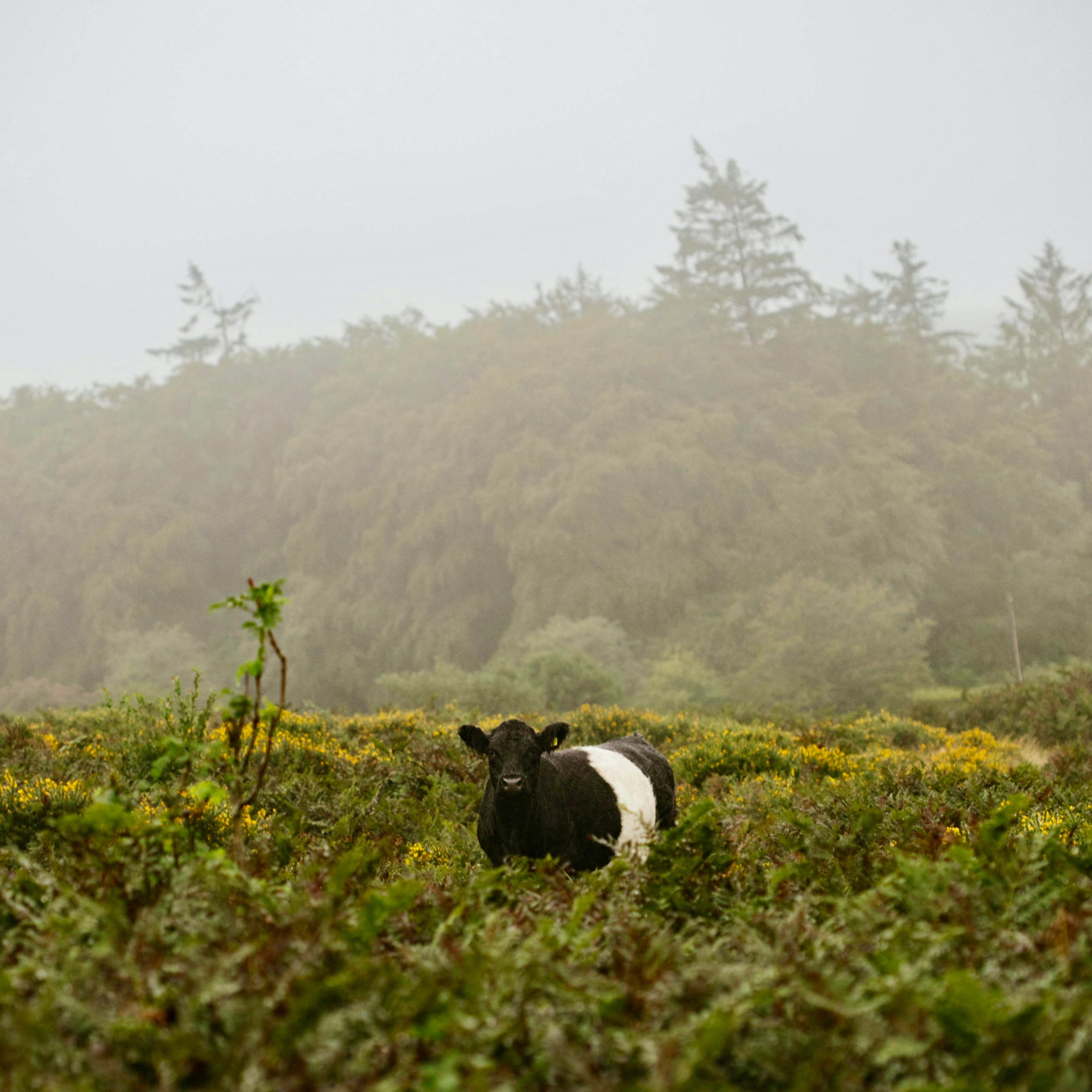
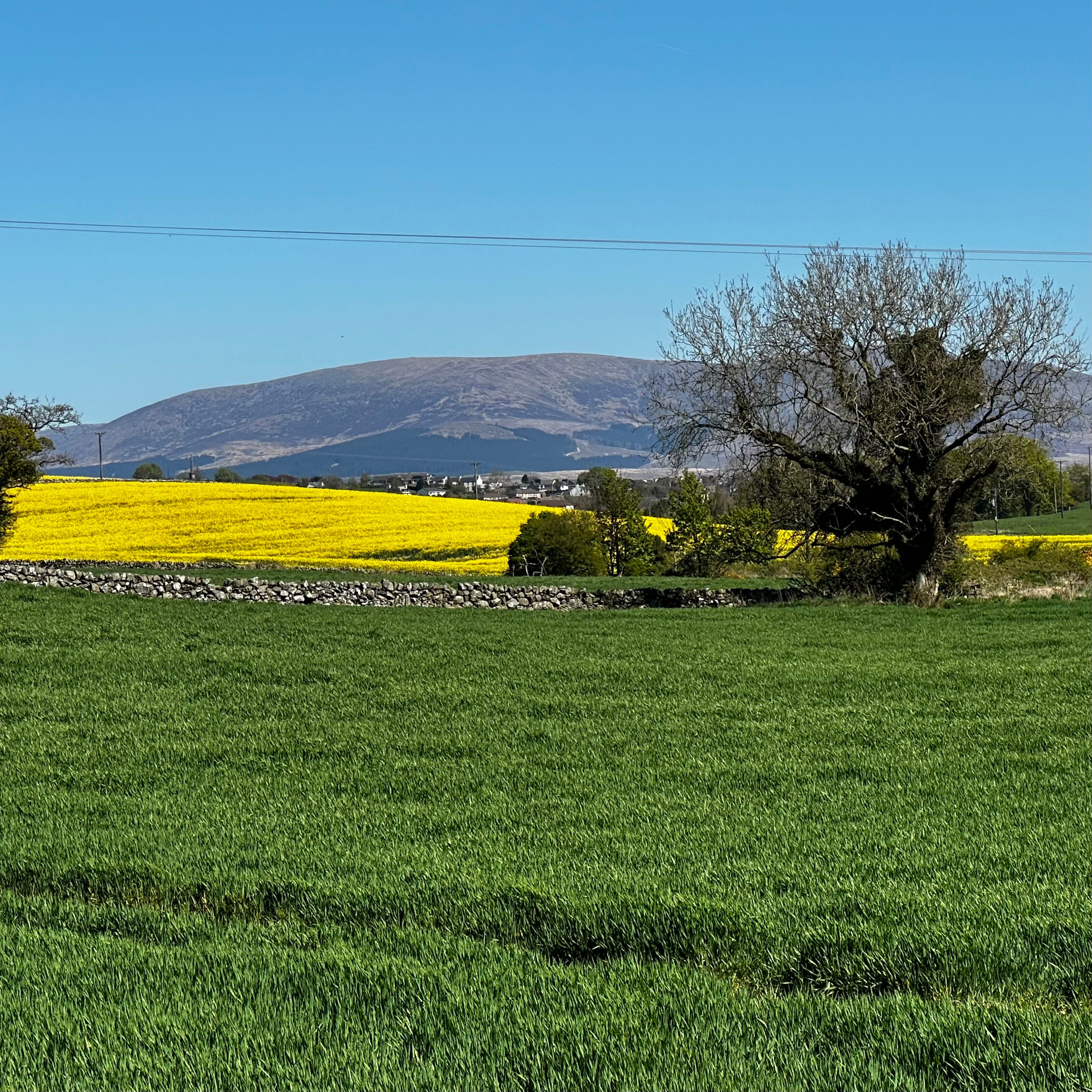
To the east, nothing but pasture, big skies and the Bay in the distance. To the west, more lush fields dotted with black and white Belted Galloway cattle, fields beribboned with stone walls that hold back the rocky shoreline. My eyes search beyond them for the North Channel - the narrow sea passage between Scotland and Ireland. Stand on the foreshore on a fine day and the coast of the Emerald Isle is clearly visible to the west, the Isle of Man to the south. Today is one such day, but I’ve known bad weather here too and in my minds eye I conjure up the ancient pilgrim monks at sea; those like the hermit Ninian who washed ashore near here. He made the rough passage more than a thousand years ago, an early missionary to this place. I conjure up the ancient salmon coraclers at work in the coastal waters, tossing around in their flimsy keelless baskets, skimming the roiling sea with scant protection from the icy waves, needling rain and strong south-westerlies. Sheer bravado. Wayfinders both.
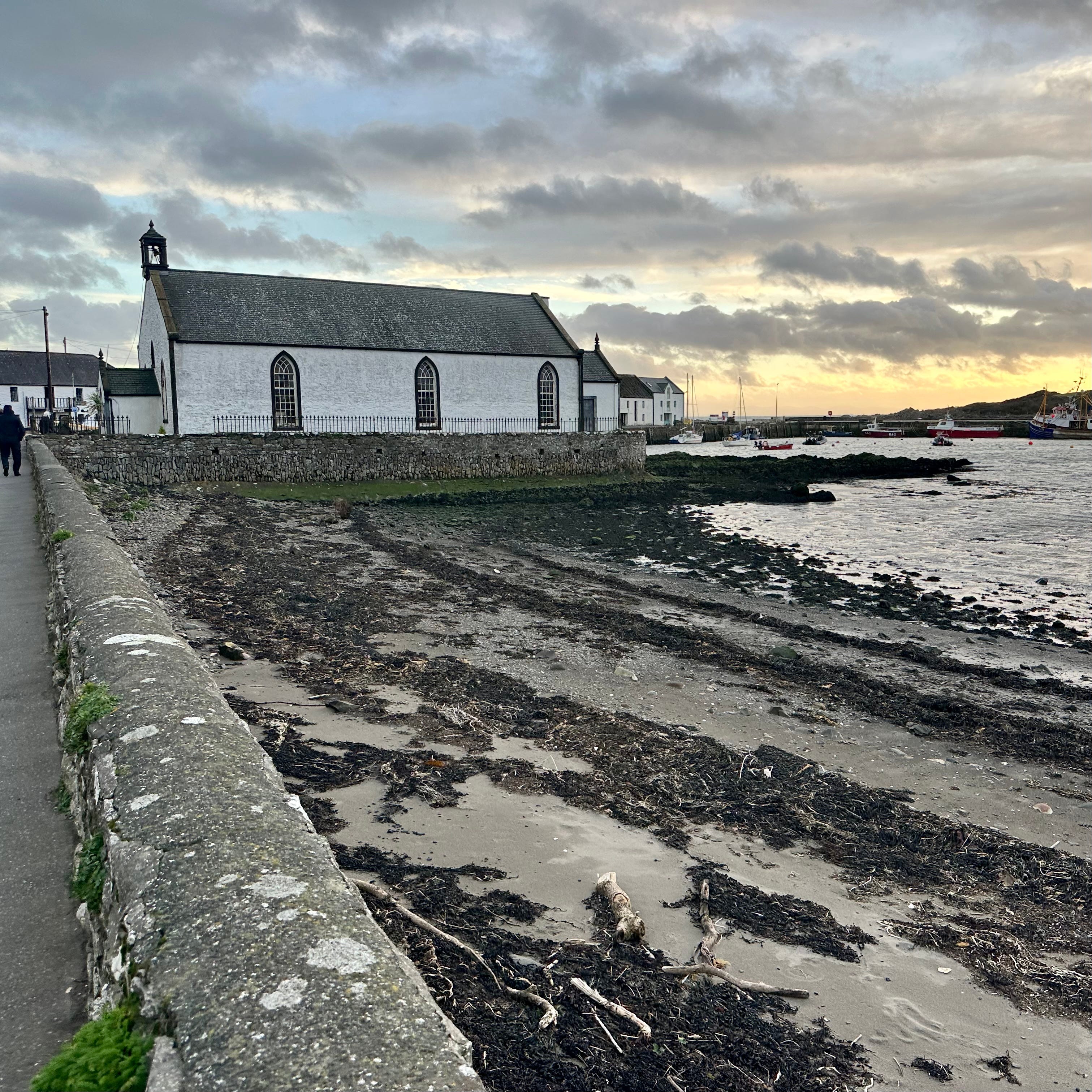
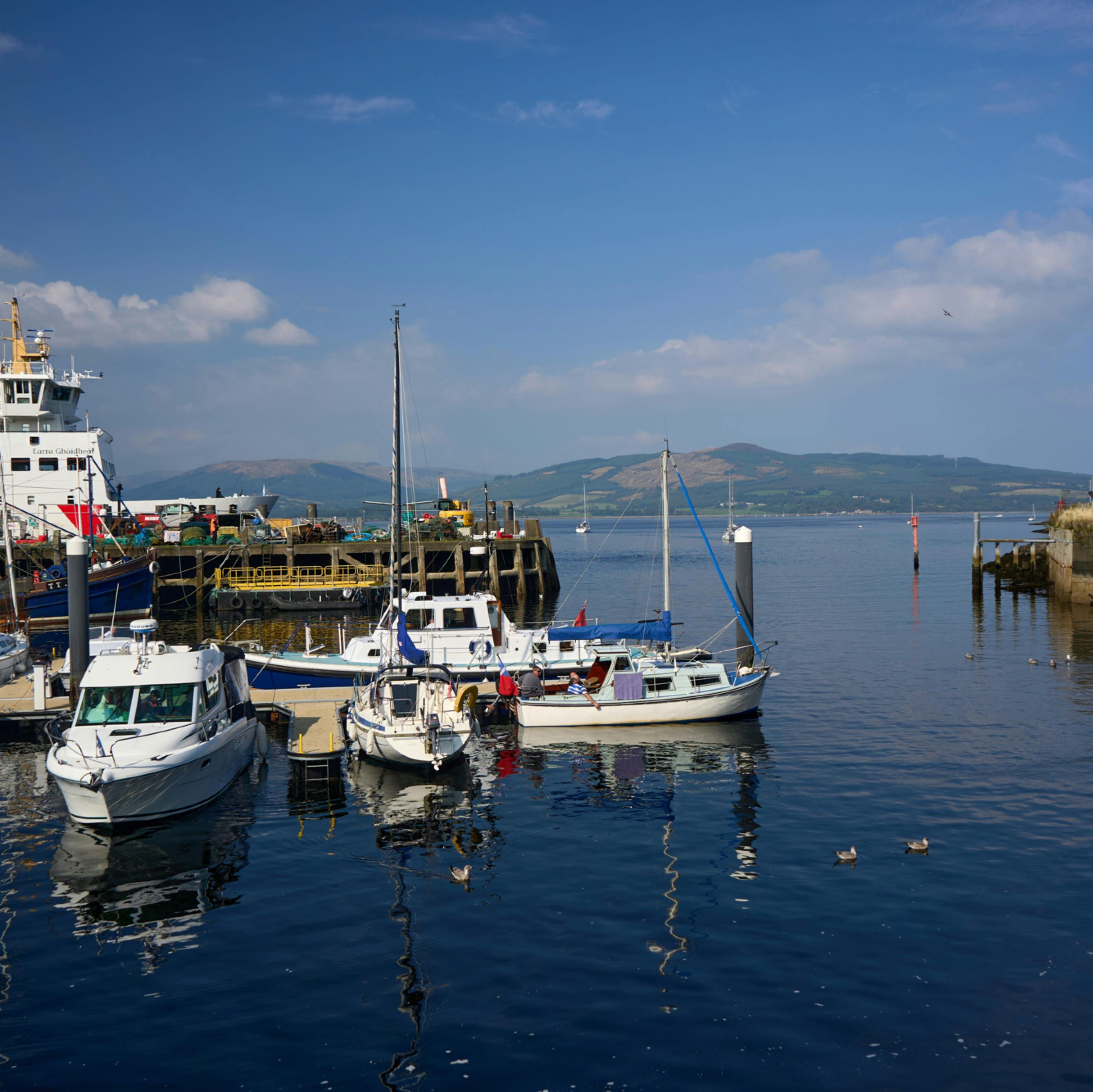
To the south, heather-clad hills and, a long way out, the just-visible strands of the Irish Sea on the far horizon. Walk to the end of this winding row of pretty houses and, around the bend you’ll see the harbour with its small fishing vessels and pleasure craft at anchor and the ancient church-over-the-water which now houses displays, storying this once-busy seaport. They re-opened the kirk for your memorial service though Marg, a mark of the respect in which you were held in this close-knit island community.
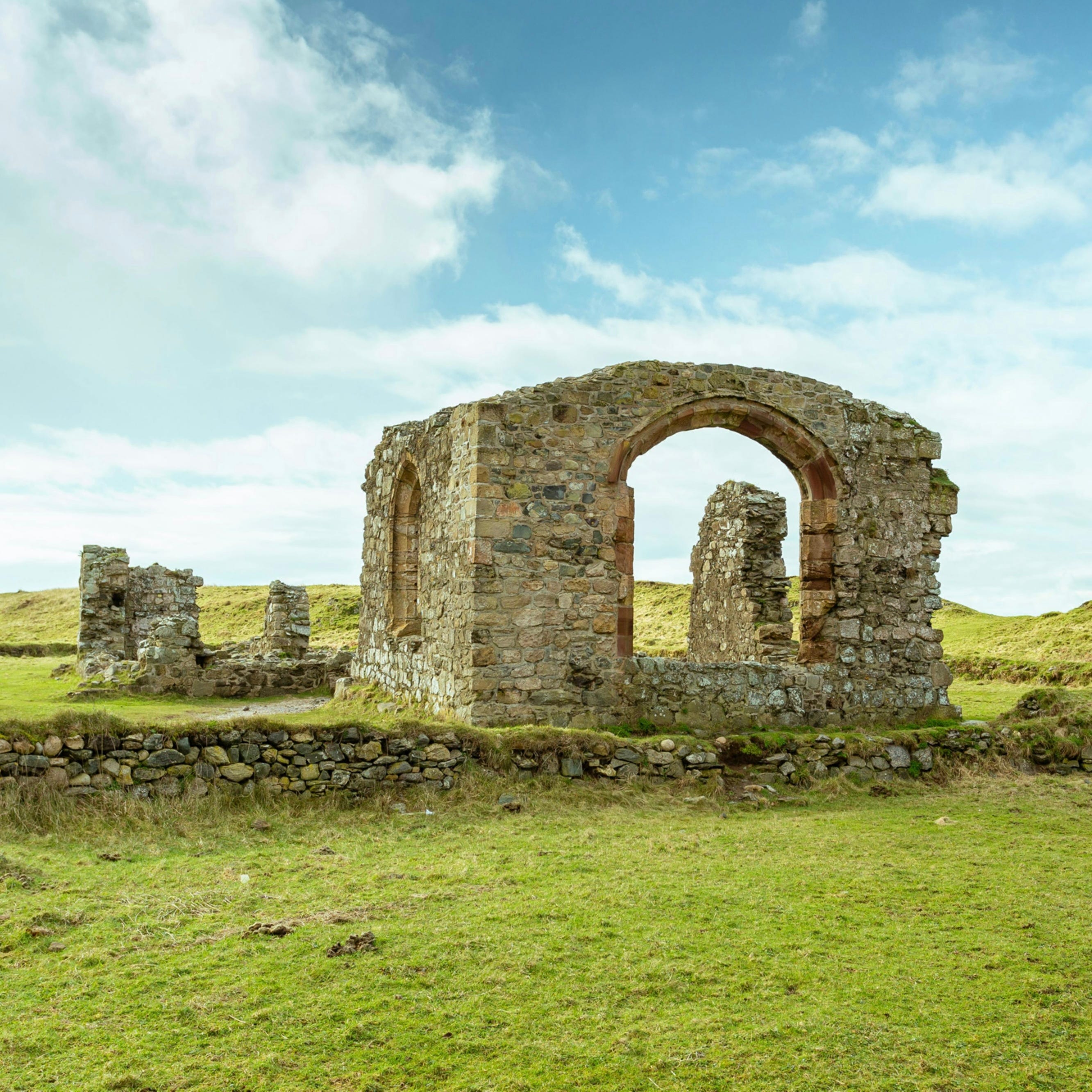
There is no traffic here except the pilgrim flow of generations. (Ninian’s cave and his chapel ruins lie nearby). At home I’m attuned to the incessant flow of cars, to the relentless grey hum of the orbital road in the distance where the rush hour is my morning alarm. Here it is quiet, a gentler awakening, the soothing rhythm of the wood pigeons and even the strident whistling of the gulls about their breakfast fails to wake me.
The views from this house are picturesque and this peaceful emptiness a joy, until it isn’t -when you are very old and struggle to walk to a postbox let alone the rocky foreshore. When the beautifully-placed picture window on your half-landing frames the only view of sky and water you can reach anymore. When the general store has closed and your vicar of forty years has retired and no supermarket delivery service or care agency will travel to you because your place is too remote.
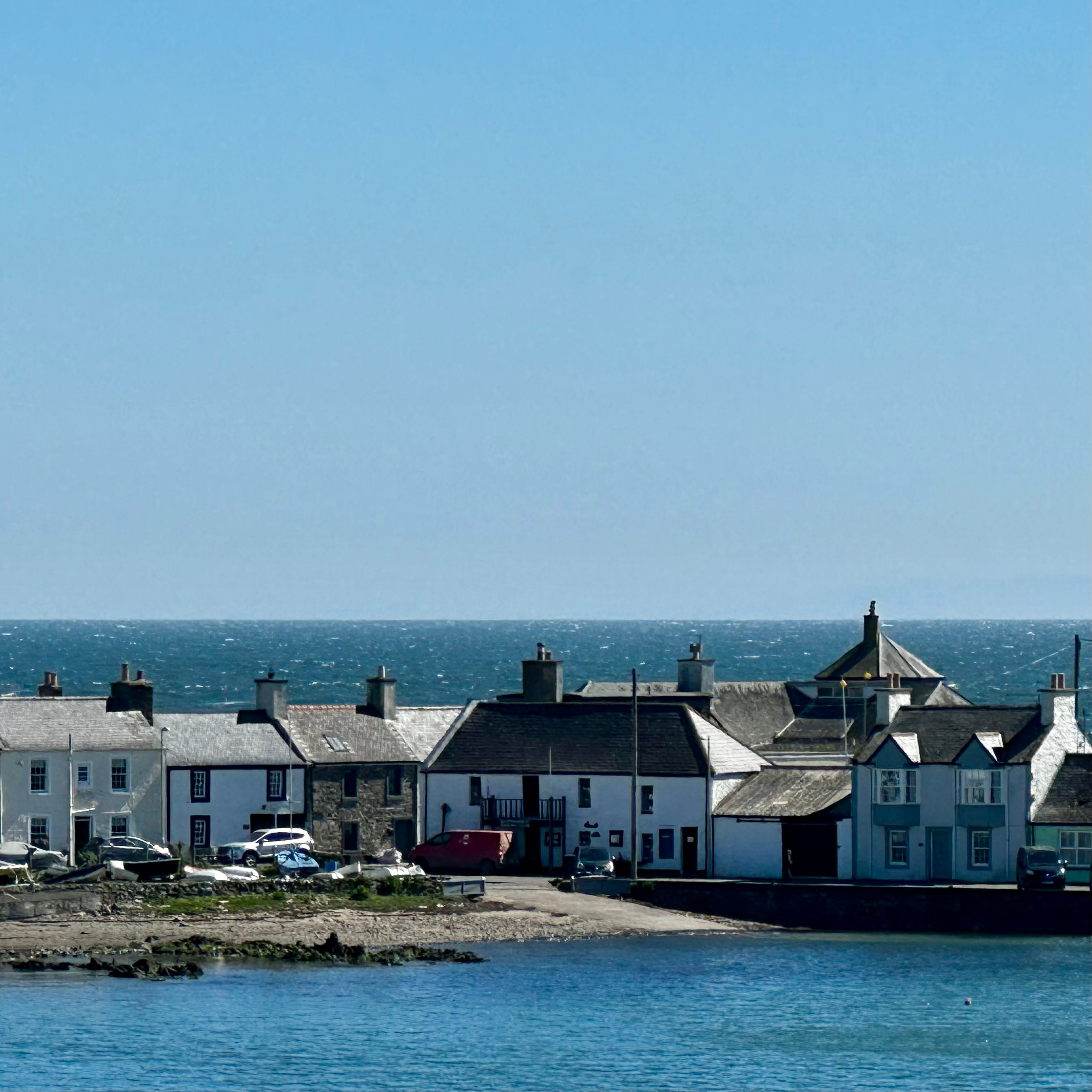
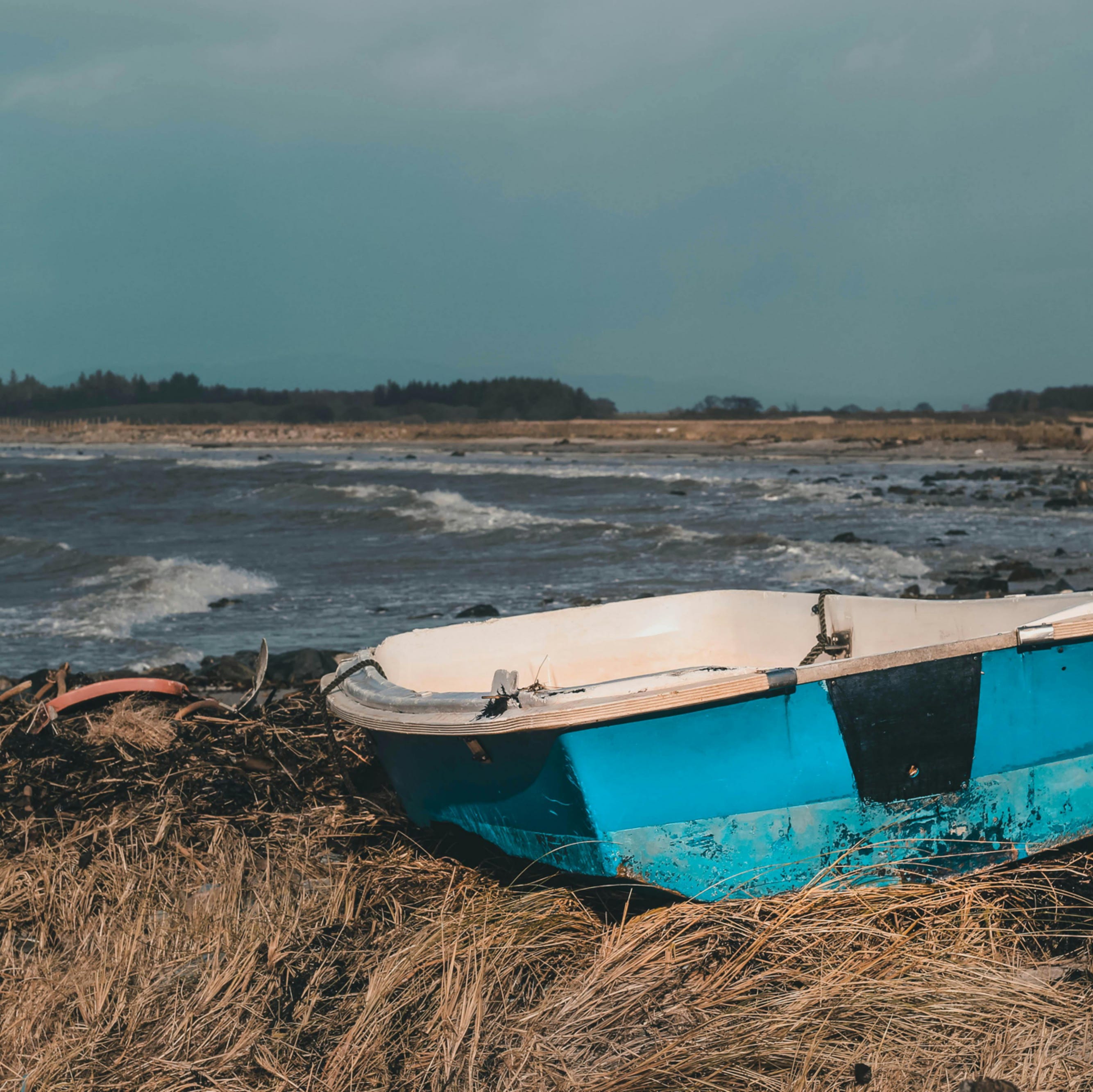
Later, I wander steeply down through the old trees that border this terraced garden and take in the ribbon of cerulean sea, the old stone houses and neat retired farmers’ bungalows, the fields of mild grazing sheep. I need to commit this view to eyes and ears and memory, as this might be the last time. The house will be sold.
Cooking here now is a little bit Baden-Powell, a little bit Heath Robinson, as we’ve gradually sorted and emptied. Decent appliances have been donated, old baking tins rusted with lack of use will be recycled. They remind me that years ago you loved to cook and to entertain. You taught me how to host a great party Marg. So many classical music nights on a theme and Christmas family ‘do’s’. Now the freezer is empty and switched off. I am down to bowl, board and knife, frying pan, steamer and jug. It’s fine. I mix some pancake batter with an abandoned mixer beater, as the hand whisk (precipitously, as it turns out) has already gone to the charity shop. We are holding on to the toaster, micro and fridge. They’ll stay until the last.
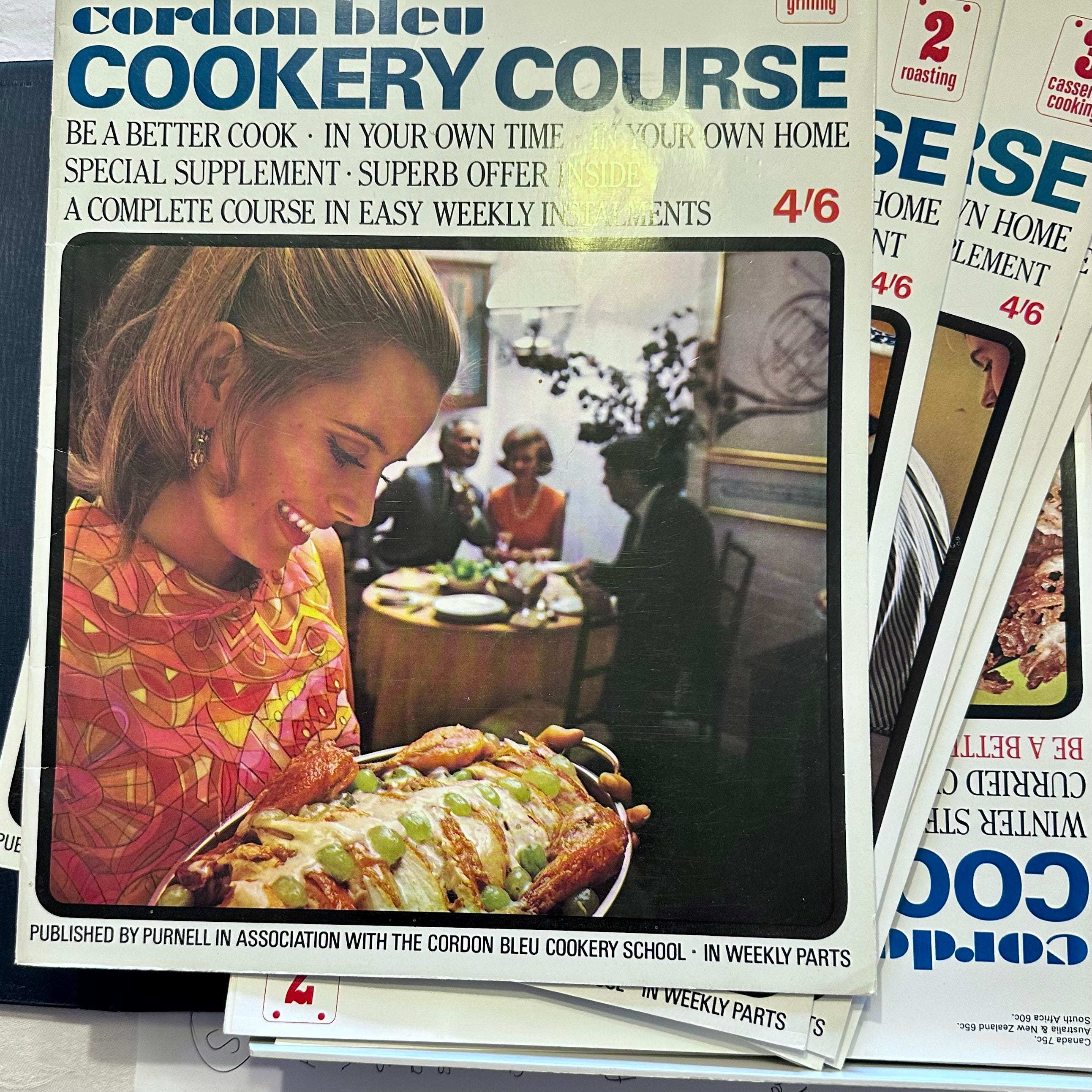
On a wave of nostalgia, I decide to bring home the four heavy volumes of Marg’s Cordon Bleu part-work cookery course, its glossy images reminiscent of Seventies Margo and Jerryesque dinner parties. The parts present a tradwife world of Agas, farmhouse kitchens, impeccable copper pans and Laura Ashley aprons; a domestic universe divorced from most working women’s reality even then. I guess that was the point: aspiration sells. But, I tell myself, classical cooking skills are classic for good reason and maybe I could do with a velouté-making or fish-filleting brush-up, or maybe my social historian daughter might find them interesting. I will make room.
Our last night here. I have eggs, a jar of tuna, some slightly wrinkly asparagus and a few new potatoes to sauté. I improvise a bit of home-made mayonnaise with the same dented old beater. We open a bottle, the last wine left in the house.
Rosie’s Brae, I will miss you. You were built by two people’s love and their long-held dream of an island place and future, so I’ll try not to think about the weedy abandoned greenhouse, the faded walls and those things that still need fixing, but instead remember that bright hope.
Beautifully written, Patricia. I felt nostalgia for the place I've never seen or been to and probably never will.
Such a beautiful read Patricia. A heart-wrenching piece I found it difficult to scan the words through my tears. Words written with so much love for both the house and A Marg, a brilliant obituary to them both.